


Why Hiring an MAI-Certified Appraiser Is Critical for Expert Witness Testimony in Florida Florida attorneys know that in legal disputes over real estate value, whether in eminent domain, property tax challenges, or divorce proceedings, the outcome often depends on the strength of your expert witness. Not all appraisers are created equal. In high-stakes litigation, hiring an MAI-certified appraiser can make a measurable difference in credibility, admissibility, and persuasive impact. This article explains what the MAI designation means, why it carries real weight in Florida courts, especially in the Tampa Bay area, and why Cliggitt Valuation’s MAI expertise matters in litigation. What Is an MAI Designation? MAI is the highest professional designation awarded by the Appraisal Institute. It represents advanced education, extensive experience, and demonstrated mastery of real estate valuation. To earn the MAI designation, an appraiser must: Be a State-Certified General Real Estate Appraiser Hold a bachelor’s degree Complete rigorous advanced coursework Pass comprehensive examinations Log thousands of hours of specialized appraisal experience Submit a peer-reviewed demonstration appraisal report Commit to strict ethics standards and continuing education Only a small percentage of appraisers ever achieve the MAI designation. It is widely regarded as the gold standard for commercial and complex real estate valuation. What does this mean in practice? An MAI appraiser brings a level of training and professionalism that goes far beyond basic licensure, which is especially important when valuation opinions are being challenged in court. MAI Credentials Create Immediate Courtroom Credibility When an MAI-certified appraiser testifies as an expert witness, their qualifications carry instant authority. Judges, arbitrators, and juries recognize the designation as evidence of advanced training, objectivity, and technical competence. More importantly, MAI appraisers are trained to follow established valuation methodology and professional standards. Their reports are built on accepted appraisal practices, documented analysis, and clear explanations of conclusions. This matters under Florida’s expert testimony rules, which require that opinions be based on sufficient data and reliable methods. In practical terms, MAI appraisers provide: Stronger admissibility: Their methodology aligns with what courts expect from reliable expert testimony. Greater resilience under cross-examination: Detailed support and sound methodology reduce vulnerability to attacks on credibility. Judicial confidence: Courts are more likely to rely on opinions that demonstrate recognized professional rigor. By contrast, less-qualified experts face greater risk of having their testimony limited, discounted, or excluded if their opinions appear speculative or unsupported. Why This Matters in Florida Litigation Florida’s real estate disputes often involve substantial financial consequences. Courts regularly rely on expert testimony to determine fair market value, just compensation, or equitable distribution. The quality of the appraisal expert can directly affect outcomes. Eminent Domain and Condemnation In condemnation cases, property owners and condemning authorities present competing opinions of value. These cases often involve complex issues such as highest and best use, severance damages, and partial takings. MAI appraisers are specifically trained to handle these advanced valuation concepts and to defend their conclusions under scrutiny. When one side presents an MAI-certified expert and the other does not, the difference in credibility can be decisive. Property Tax Disputes In property tax appeals, assessed values are often based on mass appraisal techniques rather than property-specific analysis. An MAI appraiser provides a detailed, individualized valuation supported by market data, adjustments, and professional methodology. This can be critical when challenging county assessments before value adjustment boards or in court. In fast-growing and diverse markets like Hillsborough, Pinellas, Pasco, and surrounding counties, accurate and defensible valuation is essential. Divorce and Equitable Distribution In divorce proceedings, courts rely on expert appraisals to determine the value of marital real estate. While property owners may testify to value, courts give far more weight to professionally supported opinions. MAI appraisers bring objectivity, technical rigor, and credibility to property valuations, helping ensure fair and defensible outcomes. When complex assets or income-producing properties are involved, an MAI’s experience with advanced valuation methods becomes especially important. MAI vs. Non-Designated Appraisers While any certified appraiser may legally testify, the difference between an MAI appraiser and a minimally qualified expert is significant: Advanced Training MAI appraisers complete extensive coursework in income capitalization, market analysis, feasibility studies, and complex valuation techniques. Many non-designated appraisers simply do not have this depth of education. Experience in Complex Assignments MAI designation requires thousands of hours of high-level appraisal work. These professionals regularly handle litigation-related assignments, specialized properties, and contested valuations. Professional Credibility Courts, attorneys, lenders, and government agencies recognize the MAI as a mark of excellence. This recognition can insulate your expert from credibility attacks. Stronger Documentation and Methodology MAI appraisers are trained to anticipate legal scrutiny. Their reports typically include detailed support for assumptions, adjustments, and conclusions, minimizing opportunities for opposing counsel to undermine the analysis. Ethics and Objectivity MAI designees adhere to strict professional and ethical standards. Their role is to present independent, unbiased opinions, which is exactly what courts expect from expert witnesses. In litigation, where methodology and credibility are constantly challenged, these differences matter. Tampa Bay and Local Court Perspective The Tampa Bay legal community routinely relies on MAI appraisers for significant valuation disputes. In Hillsborough, Pinellas, Pasco, Polk, and surrounding counties, MAI appraisers are often called upon in cases involving: Commercial development and redevelopment Waterfront and high-value residential properties Industrial and mixed-use assets Government takings and right-of-way acquisitions Local judges and boards are accustomed to hearing testimony from MAI professionals and understand the weight the designation carries. When both sides present experts, the court often gravitates toward the testimony that demonstrates superior credentials, clearer methodology, and stronger support. Using an MAI-certified appraiser is not about formality. It is about ensuring that the valuation presented is taken seriously and withstands legal scrutiny. Why Cliggitt Valuation’s MAI Expertise Matters Cliggitt Valuation brings MAI-certified expertise directly into the litigation environment. Our founder, Michael R. Cliggitt, MAI, MRICS, CCIM, has extensive experience providing expert testimony and valuation support in: Eminent domain and condemnation cases Property tax appeals Divorce and equitable distribution matters Estate disputes and complex valuation assignments Our work is designed for the courtroom. We focus on: Clear, defensible valuation methodology Thorough documentation and analysis Preparation for cross-examination Professional, objective testimony W e understand how valuation fits into legal strategy. Our reports are built not just to determine value, but to support your case under evidentiary standards and judicial review. When real estate value is at the center of a legal dispute, the quality of your expert witness can define the outcome. An MAI-certified appraiser provides unmatched credibility, technical expertise, and courtroom readiness. In Florida, and especially in the Tampa Bay market, hiring an MAI is not simply a best practice. It is a strategic advantage. At Cliggitt Valuation, our MAI-designated expertise ensures that your valuation evidence is clear, defensible, and respected by courts, boards, and opposing counsel alike. If you are preparing for litigation involving eminent domain, property tax disputes, or divorce-related valuation issues, we are ready to support your case with authoritative, professional appraisal services.

Florida’s commercial real estate market has been anything but predictable over the past few years. What started as a post-pandemic surge driven by population growth and historically low interest rates has shifted into a more cautious environment shaped by higher borrowing costs and economic uncertainty. Rising interest rates and inflation have made both investors and lenders more selective, and pricing commercial properties today requires far more nuance than it did just a few years ago. At the same time, Florida faces added pressure from rising insurance costs tied to hurricane risk, which can significantly impact property operating expenses and overall cash flow. In conditions like these, obtaining a professional commercial real estate appraisal is more important than ever. An appraisal offers a data-driven, unbiased opinion of value that helps cut through market noise and uncertainty. It serves as a reliable reference point when conditions are changing quickly and assumptions can no longer be taken at face value. This blog explores why appraisals play such a critical role during periods of economic uncertainty. Economic uncertainty has affected each segment of Florida’s commercial real estate market differently. Understanding how these shifts play out across property types is key to understanding why accurate, up-to-date appraisals matter more than ever. Interest Rates and Financing Pressure The rapid rise in interest rates since 2022 continues to ripple through Florida’s commercial property values. Because many commercial loan rates are tied to broader market benchmarks, higher rates have increased borrowing costs and narrowed the spread between investor returns and cap rates. This compression directly impacts valuations. As a result, buyers have become more cautious, and many property owners have delayed selling, waiting for more favorable conditions. Transaction volume has slowed as buyers hesitate to overpay and sellers resist adjusting expectations. In this environment, determining a realistic, supportable value is more challenging than it was during the post-pandemic boom. A current appraisal becomes especially important because it provides an objective benchmark in a market where pricing signals are no longer straightforward. Insurance Costs and Climate Risk Florida’s exposure to hurricanes and other climate-related risks has added another layer of complexity. Insurance premiums have risen sharply over the past few years, often outpacing rent growth. In coastal and high-risk areas especially, insurance expenses can significantly erode net operating income and, in turn, property value. For example, an investor who purchased a multifamily property in 2021 may now be facing dramatically higher insurance costs in 2024 or 2025, reducing profitability even if rents have increased modestly. These changing expense structures must be reflected in valuation. Without an updated appraisal, owners and lenders may be relying on outdated assumptions that no longer reflect a property’s true financial performance. A well-supported appraisal accounts for current operating realities and helps measure value based on risk-adjusted income rather than past conditions. Diverging Performance Across Property Types Unlike earlier years when rising demand lifted nearly all property types, Florida’s commercial sectors are no longer moving in lockstep. Performance varies widely by asset class, location, and quality, making broad generalizations risky without property-specific analysis. Office properties well-located Class A buildings in strong markets have continued to attract tenants, while older or less competitive office assets face elevated vacancy and downsizing driven by hybrid and remote work trends. In some Florida markets, vacancy remains elevated as tenants reduce their footprints, while select submarkets continue to outperform. Valuing office properties today requires close attention to lease terms, tenant credit, remaining lease duration, and local demand rather than relying on regional averages. Multifamily properties experienced rapid rent growth in 2021 and 2022, but the pace has cooled. Population growth continues to support demand, yet a wave of new construction has added supply in many metro areas, placing mild pressure on rents and occupancy. At the same time, rising construction and insurance costs have slowed new development. Class A properties now face more competition, while Class B and suburban assets often attract investors seeking relative affordability. In this shifting environment, appraisals help determine whether current rents and income projections are sustainable or if concessions and slower growth are beginning to affect value. Retail properties have shown surprising resilience. Neighborhood and grocery-anchored centers in particular continue to perform well, supported by steady consumer demand and limited new construction. Vacancy rates in many Florida retail corridors remain historically low. That said, rising interest rates and operating costs still affect pricing, and tenant quality matters more than ever. Two shopping centers may appear similar on the surface, but differences in lease terms, anchor strength, and tenant stability can lead to very different valuations. An appraisal helps cut through surface-level comparisons and identify true value drivers. Industrial properties , long one of Florida’s strongest performers, are also entering a more balanced phase. Demand surged during the e-commerce boom, pushing vacancies to historic lows. That success triggered significant new development, and in many markets new supply is now coming online. As a result, vacancies are ticking up and rent growth is leveling off in certain areas. Even large institutional investors have adjusted their strategies in response. In this environment, a valuation completed a year ago may no longer reflect current conditions. Updated appraisals account for new competition, changing lease rates, and shifting supply-demand dynamics. Why This Matters The bigger picture is that Florida’s commercial real estate market is highly dynamic right now. Sales activity and investor sentiment continue to fluctuate, and headline numbers can be misleading. In some quarters, overall transaction volume may rise even as certain sectors cool and others rebound. These crosscurrents make it risky to rely on outdated assumptions or broad market averages. This is precisely why professional appraisals are so critical during periods of uncertainty. They provide a grounded, property-specific analysis based on current market data, helping owners, investors, and lenders understand where value truly stands. In a market defined by rapid change, a well-supported appraisal offers clarity, credibility, and a reliable foundation for decision-making. How Appraisals Help Stakeholders Make Informed Decisions In uncertain markets, a commercial real estate appraisal is far more than a box to check for a lender. It’s a strategic tool that helps owners, investors, and lenders make grounded decisions based on real, current market conditions. When pricing, demand, and financing are all shifting, an appraisal provides clarity and perspective. Below are some of the key ways appraisals add value during periods of economic uncertainty. Data-Driven Guidance for Investors and Owners For property owners and investors, an appraisal provides an objective benchmark at a time when intuition alone isn’t enough. During boom periods, rising demand can lift nearly all properties. Today, however, performance depends heavily on property-specific fundamentals. Appraisers analyze recent comparable sales, rent rolls, operating expenses, market supply pipelines, and local economic trends to determine what a property is truly worth right now. This helps investors avoid overpaying when acquiring assets or underpricing them when selling. For example, headlines may suggest office values are declining nationwide, but a detailed appraisal might show that a well-located office building with strong tenants and long-term leases continues to perform well. On the flip side, it may uncover vulnerabilities such as upcoming lease rollovers or softening demand that could affect value in the near term. In a market where every property behaves differently, a data-driven valuation allows owners to decide whether to hold, sell, refinance, or reposition with confidence. Supporting Financing and Lender Requirements Lenders rely heavily on appraisals, especially during volatile market cycles. When values fluctuate, banks become more conservative and place greater emphasis on collateral quality. Loan-to-value thresholds may tighten, underwriting standards may increase, and updated valuations may be required more frequently. A well-supported appraisal can play a major role in whether financing is approved, how much leverage is offered, and what loan terms are applied. This is especially important as a large volume of commercial loans approach maturity over the next few years. Owners facing refinancing need to understand whether their property’s current value can support a new loan or whether additional equity may be required. In uncertain conditions, lenders tend to “trust but verify.” A current appraisal gives them the verification they need. For borrowers, being proactive with a professional appraisal can streamline the lending process, reduce surprises late in the deal, and demonstrate a realistic understanding of both value and risk. Evaluating Risk and Shaping Strategy One of the most valuable — and often overlooked — aspects of an appraisal is its role in risk assessment. A comprehensive appraisal does more than provide a number; it explains the market context behind that number. It evaluates trends, discusses vulnerabilities, and highlights factors that could influence future performance. For example, an appraisal of a coastal multifamily property may address how rising insurance costs or higher capitalization rates could affect value. A warehouse valuation might consider new supply entering the market or changes in tenant demand. Office properties may be analyzed for lease rollover exposure, tenant credit strength, or required capital improvements. In some cases, values have shifted significantly from their pandemic-era peaks, particularly for assets that were priced aggressively during 2021 and 2022. An updated appraisal can reveal whether value has declined due to higher vacancies, increased expenses, or changing market expectations — or, alternatively, whether a property has benefited from new infrastructure, demand drivers, or improved positioning. By identifying these dynamics early, owners can adjust strategy, renegotiate leases, explore refinancing options, or restructure debt before issues become urgent. In this way, an appraisal acts as both a reality check and a planning tool, helping stakeholders make informed, forward-looking decisions. Supporting Pricing and Transaction Negotiations In volatile markets, buyers and sellers often come to the table with very different expectations. Sellers may anchor to peak pricing from prior years, while buyers factor in higher interest rates, increased risk, and softer returns. This disconnect can stall transactions. An appraisal helps bridge that gap by providing an objective, well-supported opinion of value. It grounds negotiations in market evidence rather than emotion or assumptions. As pricing expectations gradually adjust, appraisals help bring both sides closer together by clearly explaining how income, expenses, capitalization rates, and market conditions influence value. For example, a retail center owner may believe their property is worth what it sold for last year, while a buyer may require a higher cap rate due to financing costs. An appraisal can analyze current rents, lease structures, tenant strength, and operating expenses to arrive at a realistic value that reflects today’s conditions. Lenders, in turn, will rely on that appraisal rather than the contract price when determining loan terms, making it an essential piece of the transaction process. By grounding negotiations in data, appraisals reduce uncertainty, improve transparency, and increase the likelihood that deals actually close. Appraisals as a Compass in Uncertain Times When interest rates fluctuate, market conditions evolve quickly, and external pressures like insurance costs or new development reshape performance, commercial real estate decision-making becomes more complex. In this environment, an appraisal acts as a compass, helping stakeholders navigate uncertainty with clarity and confidence. Florida’s commercial real estate market in 2024 and 2025 highlights this reality. Some sectors are stabilizing or even strengthening, while others continue to adjust. Values can vary widely from one submarket or asset type to another. In this kind of landscape, professional appraisal expertise becomes especially valuable. For investors, owners, and lenders, obtaining a current appraisal is not just about meeting a requirement. It’s about understanding risk, identifying opportunity, and making informed choices backed by data. A high-quality commercial appraisal turns uncertainty into insight and helps ensure decisions are based on facts rather than assumptions. When markets are unpredictable, that clarity can make all the difference. Thank you for your interest. Have questions regarding the local market? Navigate the Real Estate Market with confidence, and contact us at Cliggitt Valuation for your appraisal, consulting, and valuation needs today. Mike Cliggitt, MAI, MRICS, CCIM 813.405.1705 | 863.661.1165 - Direct Lines findvalue@cliggitt.com Appraisal & Valuation Markets Questions about our blog? Contact our Director of Sales & Marketing, Sydney Avolt. Sydney Avolt 727.403.7418 - Direct Line sydney@cliggitt.com Sources include recent market reports, industry publications, and economic commentary from Florida-based commercial real estate firms, brokerage research teams, and national real estate news outlets covering 2024–2025 market trends. Florida Realtors | Largo Capital | Walter Duke | Largo Capital | BisNow
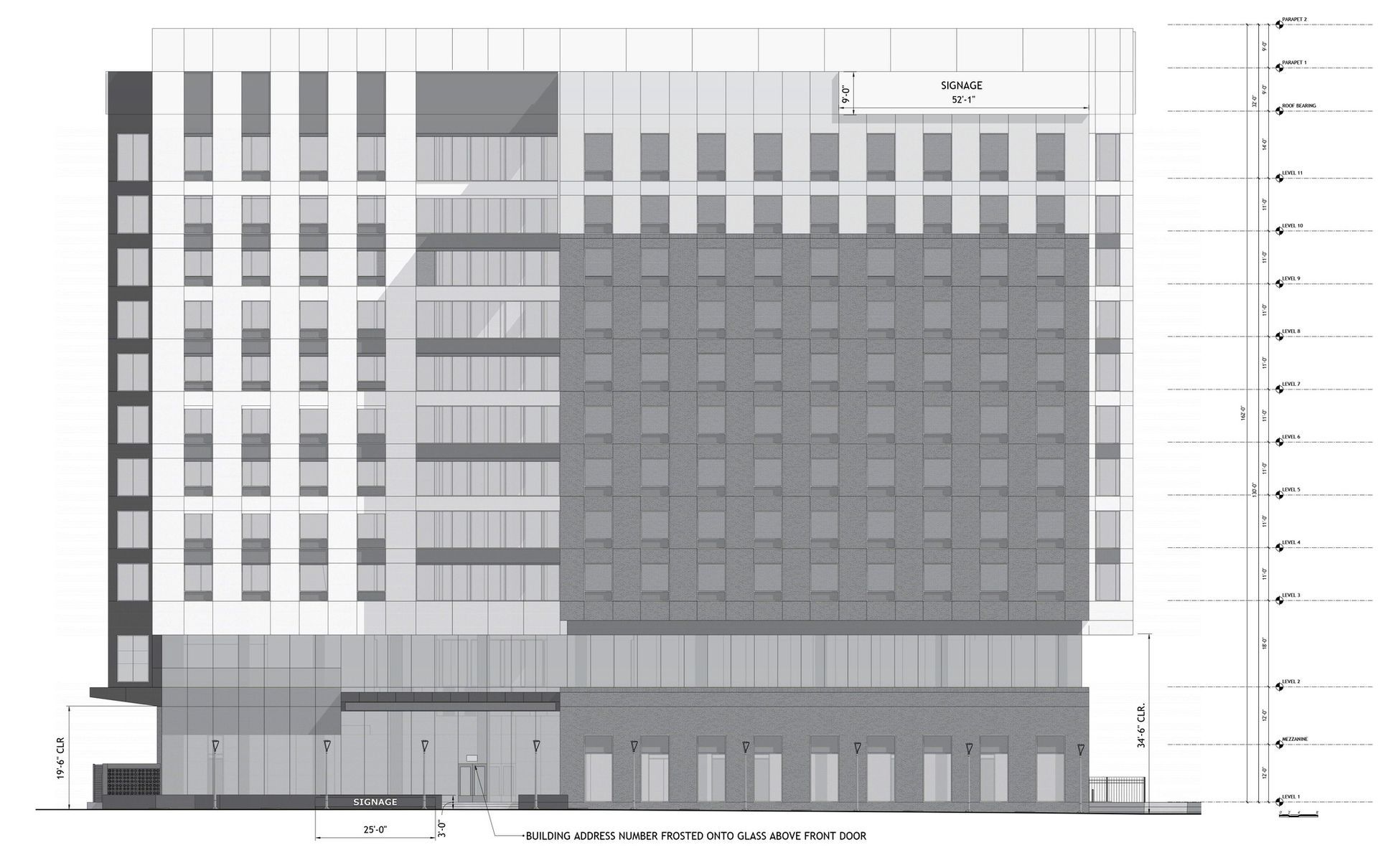
A New Dorm project to Move Forward For University of Tampa
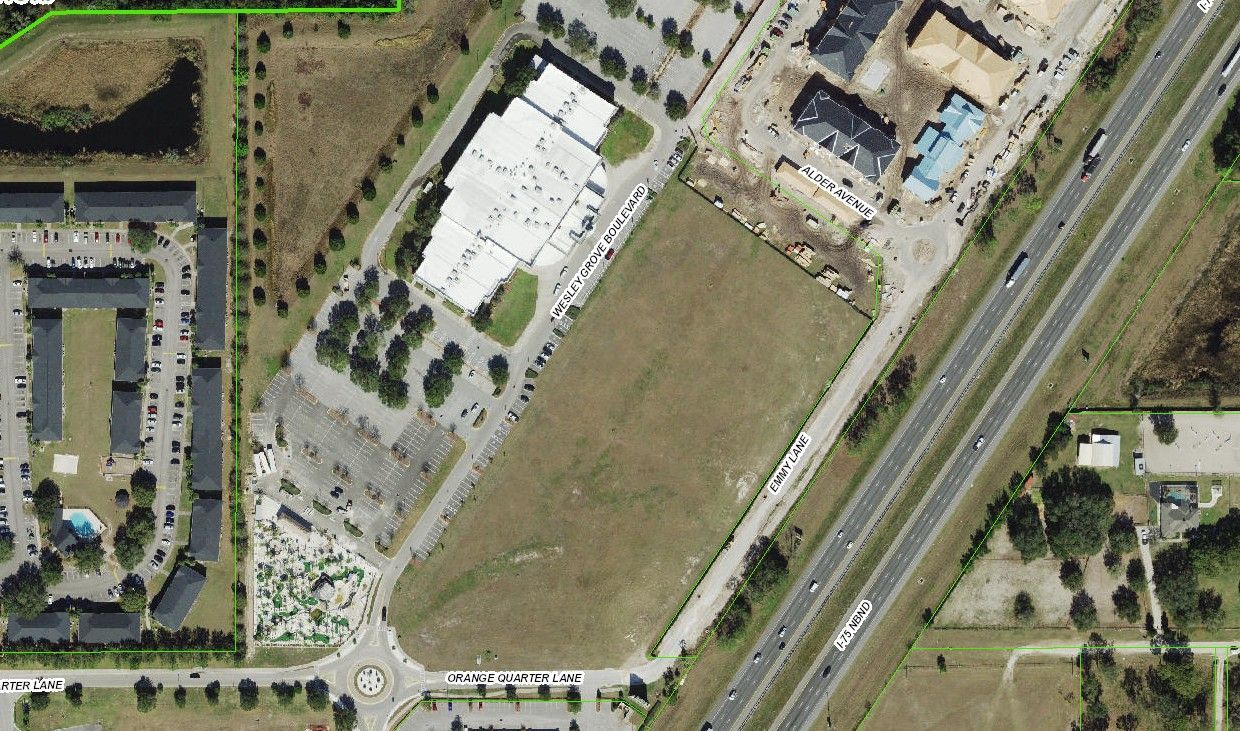
Pasco County commissioners have approved a major residential expansion at The Grove at Wesley Chapel, reinforcing the growth of one of the area’s most dynamic mixed-use destinations. On September 2, commissioners voted to allow developer Mark Gold to add 275 additional apartment units, nearly doubling the community’s multifamily component from 300 to 575 residences. Transforming a Former Retail Center Since acquiring The Grove in 2019, Gold has reshaped the once-struggling retail center into a thriving hub anchored by the Krate container park, boutique retailers, restaurants, and entertainment venues. The addition of new apartments is the latest step in evolving the 165-acre property into a fully integrated live-work-play environment. The approved plan calls for four-story apartment buildings, integrated pedestrian connections, and a new park. Residents will have direct access to Krate and surrounding businesses, further driving foot traffic and supporting small local enterprises. Commissioners described the project as a “classic mixed-use development” that responds to shifting consumer and tenant demand. Addressing Infrastructure and Traffic Concerns While Commissioner Jack Mariano voiced concerns over congestion along Oakley Boulevard, the main access road, other commissioners pointed to ongoing infrastructure improvements—including the widening of Old Pasco Road—as a sign that capacity is keeping pace with development. Additional pedestrian safety measures, such as new crosswalks and stop signs, were also included in the approval. Beyond Apartments: What’s Next for The Grove Although multifamily is taking the spotlight, questions remain about the use of The Grove’s 500,000 square feet of office entitlements, which have not yet been exercised. Commissioners emphasized the importance of adding employment opportunities to balance the project’s residential and retail growth. Gold has committed 1,000 square feet to a co-working space, reflecting demand from remote workers, and noted that hotel development is also underway, with letters of intent already signed for 120 rooms. Remaining entitlements include 50,000 square feet of retail and additional acreage along Old Pasco Road. A Model for Suburban Redevelopment The Grove’s continued evolution highlights a broader trend in the Tampa Bay area: the repositioning of aging retail centers into mixed-use, experience-driven destinations. As national retailers close and consumer behavior shifts, developers are integrating housing, entertainment, and co-working concepts to create sustainable long-term value. Commissioner Seth Weightman summed it up: “If it was ever an appropriate place in this county to have multifamily, this is it.” Source: Tampa Bay Times Thank you for your interest. Have questions regarding the local market? Navigate the Real Estate Market with confidence, and contact us at Cliggitt Valuation for your appraisal, consulting, and valuation needs today. Mike Cliggitt, MAI, MRICS, CCIM 813.405.1705 | 863.661.1165 - Direct Lines findvalue@cliggitt.com Appraisal & Valuation Markets Questions about our blog? Contact our Director of Sales & Marketing, Sydney Avolt. Sydney Avolt 727.403.7418 - Direct Line sydney@cliggitt.com
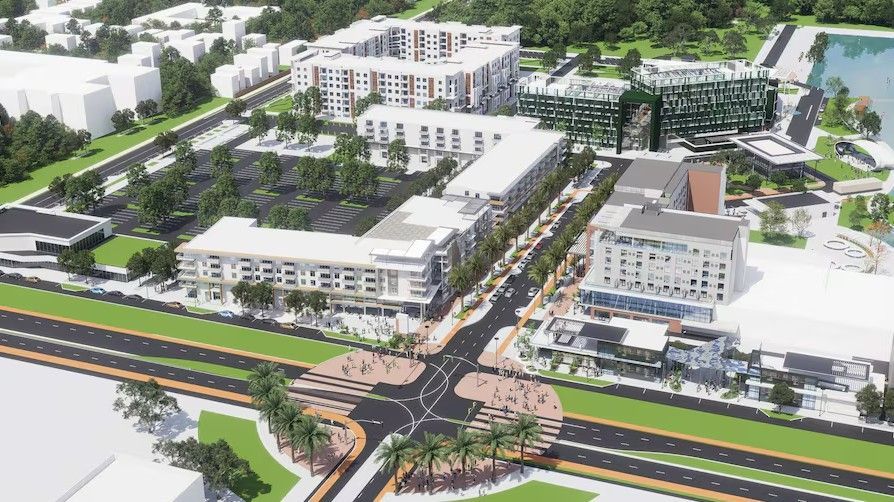
The University of South Florida is moving forward with plans for a major mixed-use development on its Tampa campus known as the Fletcher District. Earlier this month, the university’s trustees approved the concept, and the proposal is now heading into a 90-day review process with the City of Tampa, Hillsborough County, and other local agencies. If approved by the Board of Governors in November, construction could begin as early as next year, with a second public hearing scheduled for December 10. The first phase of the Fletcher District will transform 27 acres into a combination of student and multifamily housing, a hotel and conference center, retail and dining options, green spaces, and a new academic building. Developers may also add an additional 20 acres of cottage-style family housing depending on early demand. The project is being structured as a public-private partnership, meaning USF’s direct financial role will be limited to the academic building and its share of infrastructure improvements. This site has been the focus of debate in recent years, as nearby residents previously pushed back on development proposals tied to land along Fletcher Avenue containing wetlands and sandhill preserves. In 2023, USF President Rhea Law designated the Forest Preserve as undevelopable and closed the university golf course adjacent to it. The current plan emphasizes preservation by including wildlife buffers, native vegetation restoration, and stormwater management systems designed to complement the natural environment. A full traffic analysis is also underway to address concerns about congestion along Fletcher Avenue. Reactions to the plan have been mixed. Student leaders see the Fletcher District as a “win-win” for the university and the broader community, citing the addition of much-needed housing and economic activity. Trustees have expressed optimism about the project’s potential to enhance campus life, with suggestions for public artwork and other landmarks in the green space. Local residents, however, remain concerned about flooding, runoff, and increased traffic in the surrounding neighborhoods. Some fear the project could overwhelm nearby infrastructure, though university officials say they are committed to working within all environmental and regulatory requirements. From a valuation perspective, the Fletcher District represents a significant shift in the development landscape around USF. Large-scale mixed-use projects of this nature often set new benchmarks for rent levels, absorption rates, and market expectations. The addition of multifamily housing, hospitality space, and retail could create ripple effects across adjacent submarkets, while the public-private structure introduces unique considerations for land valuation and long-term lease structures. As details continue to emerge, appraisers, investors, and property owners alike will be watching closely to see how this project influences growth and value in the area. Thank you for your interest. Have questions regarding the local market? Navigate the Real Estate Market with confidence, and contact us at Cliggitt Valuation for your appraisal, consulting, and valuation needs today. Mike Cliggitt, MAI, MRICS, CCIM 813.405.1705 | 863.661.1165 - Direct Lines findvalue@cliggitt.com Appraisal & Valuation Markets Questions about our blog? Contact our Director of Sales & Marketing, Sydney Avolt. Sydney Avolt 727.403.7418 - Direct Line sydney@cliggitt.com

After a pause following last year’s hurricanes, the Philadelphia Phillies have resumed discussions with the City of Clearwater and Pinellas County to revisit long-term plans for upgrading their spring training complex. While no formal proposal has been submitted yet, early conversations signal a renewed interest in reaching a mutually beneficial agreement. City Manager Jennifer Poirrier, who is leading negotiations on behalf of Clearwater, says the team appears to be taking past community feedback seriously. “The Phillies organization definitely seems to have been listening,” Poirrier said, noting cautious optimism about progress. Pinellas County Administrator Barry Burton has also been involved in the meetings, given the likelihood that the Phillies will request funding from the county’s bed tax—a tax collected on short-term lodging stays. “Our role stems from the tourism impact the Phillies bring,” Burton said. “They’ve indicated that they may request funding from the bed tax, which is why we’re part of these conversations.” Back in 2019, the Phillies requested $40 million from the county’s bed tax to fund a nearly $80 million renovation of BayCare Ballpark and the nearby Carpenter Complex. That proposal didn’t gain traction, especially as the facilities—built in 2004—were significantly newer than others that had received funding, such as the Toronto Blue Jays’ Dunedin complex. Since then, project plans have remained fluid. In 2022, the Phillies unveiled a vision for a year-round player development hub, with cost estimates reaching $300 million. Later, they introduced a proposed mixed-use development—Ballpark Village—featuring residential units, retail, and dining space. The team purchased 13 acres just south of the complex for $22.5 million in November 2023 to support this expansion. Still, a more modest stadium-focused project, with a projected cost around $65 million, seems to be the first step forward. Poirrier confirmed that a scaled-down version is the likely direction in the near term but emphasized openness to more comprehensive plans in the future. “The U.S. 19 corridor holds enormous potential for economic growth,” she said. “We’re dreaming big and keeping our minds open.” The most recent meeting between city, county, and Phillies representatives took place on July 16, with another one scheduled for Friday. While Clearwater hasn’t re-engaged its former consulting firm CAA Icon—paid over $260,000 for its past role in negotiations—it may do so again down the line. From the Phillies’ side, key personnel in the discussions include Director of Florida Operations John Timberlake, BayCare Ballpark GM Doug Kemp, and CFO John Nickolas. Timberlake has not provided public comment on the meetings. City and county representatives, including Poirrier and Burton, are also planning a visit to Philadelphia in late August, a tradition where local officials are hosted by the team at Citizens Bank Park. These visits often include dinners, games, and conversations—but no negotiation meetings are currently scheduled for the trip. The Phillies have held their spring training in Clearwater since 1947 and have built deep ties to the community. In addition to their stadium investments, the team has made philanthropic contributions, including a $1 million donation toward hurricane relief last November. As of now, no final timeline has been established for the proposal or public funding request. “I think it’s safe to say everyone wants this finalized sooner rather than later,” Poirrier said, “but there’s no definitive timeframe just yet.” Source: Tampa Bay Times Thank you for your interest. Have questions regarding the local market? Navigate the Real Estate Market with confidence, and contact us at Cliggitt Valuation for your appraisal, consulting, and valuation needs today. Mike Cliggitt, MAI, MRICS, CCIM 813.405.1705 | 863.661.1165 - Direct Lines findvalue@cliggitt.com Appraisal & Valuation Markets Questions about our blog? Contact our Director of Sales & Marketing, Sydney Avolt. Sydney Avolt 727.403.7418 - Direct Line sydney@cliggitt.com

A well-known corner of South Tampa is getting a new lease on life. The property at 2616 S. MacDill Avenue —formerly home to the popular eateries Datz and Dough—is undergoing a complete transformation led by Three Oaks Hospitality. The new concept, 1983, is scheduled to open its doors in mid-August. Three Oaks, the hospitality and development group behind successful Tampa Bay ventures like Armature Works, The Pearl, Ciro’s, Steelbach, and Ro, acquired the site in 2023 and has since begun a creative reimagining of the space. The 150-seat restaurant will introduce a sports-forward, social dining experience with an upscale 1980s-inspired aesthetic. The adjacent Dough space will become a retro arcade, paying homage to iconic video games of the past—think Pac-Man and Galaga—while the restaurant itself will offer a menu that ranges from sushi and salads to French dips and classic wings. The design will incorporate vintage sports memorabilia and a preppy flair reminiscent of 1980s fashion and culture. The project’s name, 1983, reflects the birth year of twin brothers Charles and Kyle Bruck, co-founders of Three Oaks. One thing that isn’t changing? The landmark marquee sign out front, which locals may remember for its witty one-liners. It’s being preserved and will continue to feature playful messages as a nod to the building’s legacy. This revitalization adds to the continued momentum of redevelopment along the South MacDill corridor, a high-visibility commercial stretch in one of Tampa’s most established neighborhoods. Source: Tampa Bay Times Thank you for your interest. Have questions regarding the local market? Navigate the Real Estate Market with confidence, and contact us at Cliggitt Valuation for your appraisal, consulting, and valuation needs today. Mike Cliggitt, MAI, MRICS, CCIM 813.405.1705 | 863.661.1165 - Direct Lines findvalue@cliggitt.com Appraisal & Valuation Markets Questions about our blog? Contact our Director of Sales & Marketing, Sydney Avolt. Sydney Avolt 727.403.7418 - Direct Line sydney@cliggitt.com

Tampa residents have been waiting for high-speed rail service—and it’s starting to look like that dream could eventually become a reality. Brightline, the private passenger rail company already operating in South Florida, is officially making moves toward a Tampa expansion. The company recently requested $400 million in bonds to fund new stations and tracks across Florida, with Tampa named as one of the next planned stops. That funding would help push forward rail infrastructure connecting Tampa to Orlando and beyond. So… when can we actually expect to ride? The Not-So-Soon Timeline According to Hillsborough County Transportation Planning Organization executive director Johnny Wong, we might still be waiting another decade. Yep—ten years. Wong’s projection is based on information from a former Brightline executive, now with the Orlando Economic Partnership, who noted that Brightline will need to lay new rail along I-4 before the Tampa link becomes a reality. And since I-4 is currently undergoing a massive expansion that could take up to 20 years to complete, rail construction might not begin for a while. That said, there’s some hope. Governor DeSantis and the Florida Legislature have shown interest in speeding up the I-4 project, which would naturally help accelerate Brightline’s expansion timeline as well. Why Now? Ever since Brightline opened its Orlando station in 2023 (connecting to Miami), the buzz around a Tampa extension has only grown. With Central Florida’s population booming and I-4 getting more congested by the day, many are pushing for a faster, less stressful travel alternative. Last year, Mayor Jane Castor even floated 2029 as a possible opening year for the Tampa station. And with the recent bond request and local support—including a unanimous vote from Tampa City Council to allow Brightline to proceed with financing—the wheels are certainly turning. But There’s a Catch While Brightline has ambitious plans, the company is facing some financial headwinds. It fell about 30% short of its projected ridership last year, carrying roughly 2.8 million passengers. That drop came after eliminating popular $10 commuter passes, though those have since been brought back—and early signs show ridership recovering in South Florida. Despite operating at a $63 million loss last year and carrying $5.5 billion in debt, Brightline continues to grow. And Tampa appears to be next in line. Where Will the Station Go? A final location hasn’t been publicly announced, but city officials have hinted at a site in Tampa’s “greater downtown area,” possibly stretching from Ybor City to the Curtis Hixon Waterfront Park area. In May, Hillsborough County asked residents how they would get to the future station, and the majority said they’d drive or use ride-share services. That means the city will likely need to build a parking structure and invest in safer pedestrian and bike-friendly infrastructure. Respondents also voiced a desire for more public transit near the station, which could reignite conversations about expanding the TECO Line Streetcar into Tampa Heights. What If Brightline Doesn’t Make It? Even with the financial risks, there’s a silver lining. If Brightline lays the rail but later backs out, the infrastructure could still be used by another operator—think Amtrak or even a local transit authority. As Wong put it: “If we have assets for trains to go through Tampa to Orlando, I don’t see why there wouldn’t be competitors in that space.” Source: Tampa Bay Times Thank you for your interest. Have questions regarding the local market? Navigate the Real Estate Market with confidence, and contact us at Cliggitt Valuation for your appraisal, consulting, and valuation needs today. Mike Cliggitt, MAI, MRICS, CCIM 813.405.1705 | 863.661.1165 - Direct Lines findvalue@cliggitt.com Appraisal & Valuation Markets Questions about our blog? Contact our Director of Sales & Marketing, Sydney Avolt. Sydney Avolt 727.403.7418 - Direct Line sydney@cliggitt.com

Florida’s property insurance market is finally showing signs of recovery in 2025, following several years of volatility. A combination of legislative reforms and a resilient response to recent storms has begun to steady both residential and commercial insurance rates. For those in the commercial real estate space, this shift offers a much-needed sense of predictability. With fewer surprise exclusions and more stable premium trends, stakeholders can breathe a little easier—even if hurricane season keeps everyone on alert. In this post, we break down the effects of the 2024 hurricane season, 2025 premium trends, key legislative changes, reinsurance market updates, and what these developments mean for property owners, brokers, and investors across the state. After the 2024 Hurricane Season: Resilience in Action

In a surprising turn, Florida officials voted Tuesday to approve the purchase of 340 acres of forest land in Hernando County from Cabot Citrus, a luxury golf resort once at the center of a heated public lands controversy. This time, there’s no land swap involved—just a straightforward acquisition aimed at expanding conservation efforts near the Withlacoochee State Forest. The vote came from the Florida Cabinet, with Gov. Ron DeSantis, Attorney General James Uthmeier, and Agriculture Commissioner Wilton Simpson all in favor. If Cabot Citrus sounds familiar, it's because the resort drew fire last year after receiving initial approval to trade more than 300 acres of state-preserved forest for land it hoped to develop into more luxury golf amenities. The backlash was swift and widespread. After the Tampa Bay Times reported on the proposed trade, public outcry escalated, and Cabot quietly pulled the deal. Though DeSantis didn’t comment on the Cabot purchase specifically during Tuesday’s meeting, his office later celebrated the conservation deal in a press release, grouping it in with other land buys. Simpson, who previously supported the land swap proposal, offered a lengthy post-vote statement that subtly acknowledged the controversy and praised the new direction: “We paused, looked at alternatives, and ultimately arrived at a better path — one that serves the long-term interests of Florida and its people,” he said. He also commended Cabot for “shifting focus and prioritizing conservation,” calling the outcome a model for how land preservation decisions should unfold. Notably, just weeks ago, Gov. DeSantis was photographed golfing in a Cabot Citrus hat alongside Florida Fish and Wildlife chair Rodney Barreto, further fueling speculation about the resort’s influence. The land now on the table for acquisition sits directly southeast of Cabot’s current footprint—home to multiple golf courses and luxury cottages starting at $1.7 million. It borders the same area the company previously sought to acquire via land swap. The state still needs to appraise the land to determine its value. According to the Florida Department of Environmental Protection, the purchase price won’t exceed the appraised value. If the deal moves forward, the Florida Forest Service has agreed to manage the land and integrate it into the broader state forest system. While many conservationists welcomed the move, they also expressed caution. Eugene Kelly, president of the Florida Native Plant Society and a Hernando County resident, said the shift is promising but remains wary: “It would be great to see the land added to the state forest,” he said. “But I see all these mixed signals coming from the state.” Kelly has also called for full funding of the Florida Forever land acquisition program, urging lawmakers to allocate at least $100 million after earlier budget proposals offered none. After a string of recent land-use controversies—including efforts to develop state parks and transfer pristine conservation land to mysterious LLCs—this decision marks a rare about-face. Whether it signals a long-term commitment to conservation or a one-time course correction remains to be seen. Thank you for your interest. Have questions regarding the local market? Navigate the Real Estate Market with confidence, and contact us at Cliggitt Valuation for your appraisal, consulting, and valuation needs today. Mike Cliggitt, MAI, MRICS, CCIM 813.405.1705 | 863.661.1165 - Direct Lines findvalue@cliggitt.com Appraisal & Valuation Markets Questions about our blog? Contact our Director of Sales & Marketing, Sydney Avolt. Sydney Avolt 727.403.7418 - Direct Line sydney@cliggitt.com

Plans for a 104-room boutique hotel on the east side of Gulf Boulevard were unanimously rejected by St. Pete Beach city commissioners during a May 13 meeting, effectively halting the proposed Windward Pass Resort. The decision denied the developers a conditional use permit, a hardship variance, and access to room credits from the city’s lodging pool. The project, which would have included six stories, waterfront boat access to McPherson Bayou, a three-story parking garage, two pools, a miniature golf course, bars on the ground and rooftop levels, a 12-slip dock, and more, was met with strong opposition. Developers sought 104 temporary lodging unit credits from the district’s 325-room allocation. However, with Hotel Zamora already approved for 64 units, only 261 credits remain for future projects—making this request a significant ask. City Planner Brandon Berry reminded attendees that unlike the western portion of Gulf Boulevard—where lodging is permitted by right—the Bayou Residential District does not allow temporary lodging as a matter of course. “This is not a lodging-permitted area,” he explained. The 2.67-acre site is one of the few remaining large, undeveloped waterfront parcels on the east side of Gulf Boulevard. Despite its size, project architect Jack Boziak argued that the site’s irregular shape—ranging from 293 feet wide on one end to just 125 feet on the other—left less than 40% of the land buildable after accounting for setbacks and drainage requirements. He called this a clear hardship. But commissioners weren’t convinced. Commissioner Betty Rzewnicki emphasized that the lot consists of four separate parcels and is located in a clearly residential area: “You’re trying to introduce a commercial resort into a residential neighborhood. That’s not a hardship—that’s a zoning mismatch.” Commissioner Joe Molholland echoed that sentiment, citing concerns about putting a large hotel with a rooftop bar in a low-density district. “This isn’t the western side of the beach where that kind of activity is expected,” he said. Commissioner Lisa Robinson also pointed to concerns about increased noise, traffic, and overall intensity: “A 104-unit condo hotel with multiple amenities is a lot for this area. The noise and density are already issues. Adding more would overwhelm the neighborhood.” Environmental concerns played a major role as well. Mayor Adrian Petrila specifically called out the potential damage to the shallow bayou and its manatee habitat: “This isn’t just a question of land use—there’s a real environmental impact to consider,” he said. “Even the so-called 'quiet pool' won’t be quiet in practice. I’ve been to enough resorts to know better.” In the end, the commission found that the proposal failed to adequately address community concerns or offer solutions to mitigate the negative impacts. Without clear benefits to the neighborhood and no meaningful compromises presented, all requests—including the rooftop bar and the 104-unit credit allocation—were firmly denied. Source: Tampa Bay Times Thank you for your interest. Have questions regarding the local market? Navigate the Real Estate Market with confidence, and contact us at Cliggitt Valuation for your appraisal, consulting, and valuation needs today. Mike Cliggitt, MAI, MRICS, CCIM 813.405.1705 | 863.661.1165 - Direct Lines findvalue@cliggitt.com Appraisal & Valuation Markets Questions about our blog? Contact our Director of Sales & Marketing, Sydney Avolt. Sydney Avolt 727.403.7418 - Direct Line sydney@cliggitt.com

In commercial real estate, understanding a property's value at a specific point in the past can be just as important as knowing what it’s worth today. Whether you’re dealing with an insurance claim after a storm, an estate settlement, or a legal dispute, retrospective appraisals can play a critical role—especially here in West Central Florida where market conditions shift rapidly and weather events are frequent. What Is a Retrospective Appraisal? A retrospective appraisal is exactly what it sounds like: an appraisal with an effective date in the past. It allows us to determine what a property was worth at a specific historical moment, based on the conditions and data available at that time. Unlike current or prospective appraisals, this type requires the appraiser to essentially “recreate” the market as it existed on that date—everything from sales comps to economic factors and the property’s condition. These types of reports are essential in several scenarios: Storm-related insurance claims : Establishing pre-loss value after hurricane damage Estate settlements : Determining fair market value as of the date of death Litigation support : Supporting disputes like business dissolutions or eminent domain Property tax appeals : Contesting over assessed values from prior years Financial reporting : Accurate historical valuations for audits or compliance Why They Matter in Florida Florida’s West Central region has seen rapid growth, market fluctuations, and its fair share of natural disasters. A solid retrospective valuation is often the foundation for a fair resolution—whether it's getting a tax adjustment or ensuring heirs aren’t hit with unnecessary capital gains. For example, Pinellas County encourages owners to seek certified appraisals to verify a property’s value before a storm—especially if they’re trying to comply with FEMA’s 50% Rule for rebuilding. Similarly, when a commercial property is inherited, a date-of-death appraisal ensures tax basis is properly adjusted for the new owner, which can have long-term financial benefits. Our Approach at Cliggitt Valuation At Cliggitt Valuation, retrospective appraisals are one of our specialties. We’ve completed these assignments for everything from small retail buildings to complex industrial facilities across Tampa, St. Pete, and Lakeland. Every report we prepare is: Detailed and data-driven , often requiring historical sales, old records, and archived financials Tailored to the local market , reflecting our deep knowledge of past market cycles in West Central Florida Credible and defensible , written with clarity and strong support so it holds up in court, with insurers, or in tax discussions Responsive and timely , because we know how important deadlines are in legal or estate matters We’ve helped clients with hurricane claims, tax disputes, estate transfers, and more. Each time, our goal is the same: to deliver a reliable and accurate value opinion that helps our clients move forward confidently. Final Thoughts Retrospective appraisals may look backward, but they’re one of the most forward-focused tools we have in real estate. When done right, they provide the foundation for sound decisions—financially, legally, and strategically. If you need a retrospective appraisal or just want to talk through a situation where one might apply, don’t hesitate to reach out. We’re here to help you look back, so you can move forward with clarity. Thank you for your interest. Have questions regarding the local market? Navigate the Real Estate Market with confidence, and contact us at Cliggitt Valuation for your appraisal, consulting, and valuation needs today. Mike Cliggitt, MAI, MRICS, CCIM 813.405.1705 | 863.661.1165 - Direct Lines findvalue@cliggitt.com Appraisal & Valuation Markets Questions about our blog? Contact our Director of Sales & Marketing, Sydney Avolt. Sydney Avolt 727.403.7418 - Direct Line sydney@cliggitt.com

What is a Stepped-Up Basis — and Why Does It Matter for Commercial Property in Florida?

In recent years, Tampa Bay has become a hot spot for real estate investment — and not just from individual landlords or local developers. According to a new report from the Private Equity Stakeholder Project, nearly 25% of all apartment units in our metro area are now owned by private equity firms. That’s a major shift with big implications for renters, property owners, and real estate professionals alike. Nationally, private equity ownership accounts for about 10% of all apartment units, but the concentration is much higher in Sunbelt cities like Tampa, where demand is booming and tenant protections tend to be weaker. As Jordan Ash, the report’s research director, put it: “States that have weak tenant protections is something that private equity companies are attracted to... and the other just being growing population, which creates more of a demand for rental housing.” These firms, including big names like Greystar and Blackstone, typically focus on maximizing returns — which often means increasing rents and cutting costs wherever possible.

Florida's 2024 hurricane season left many property owners dealing with significant damage. After the winds and floods passed, these owners were left not only with repairs but also questions about financial recovery. One form of relief might be a tax deduction for a casualty loss – essentially, the loss in your property’s value due to the hurricane. To claim this, you document the loss on IRS Form 4684, which is where a casualty loss appraisal comes into play. What Is a Casualty Loss Appraisal? Casualty losses are losses from sudden, unexpected events like hurricanes, floods, or fires that damage your property. If your home or other personal-use real estate in Florida was damaged by a 2024 hurricane (in a federally declared disaster area), you may be eligible to deduct the loss in value on your federal taxes. IRS Form 4684 (Casualties and Thefts) is used to calculate and report that loss. But how do you figure out the dollar amount of your property’s loss? This is where a casualty loss appraisal is critical. A casualty loss appraisal is a professional assessment of your property’s fair market value immediately before the casualty and immediately after. The difference between those two values represents your property’s decrease in value due to the disaster In other words, it tells you (and the IRS) how much value your property lost because of the hurricane. Form 4684 will ask for the fair market value (FMV) of your property before and after the casualty. The IRS defines FMV as the price a willing buyer would pay a willing seller for the property, with both having reasonable knowledge of the facts For most homeowners, determining these values isn’t straightforward—you typically won’t know exactly what your home was “worth” right before and after the storm. That’s why the IRS and tax professionals often rely on a qualified appraisal to establish those numbers. According to IRS instructions, FMV is generally determined by a competent appraisal, considering sales of comparable properties around the time of the casualty and the specifics of your property’s condition In short, a casualty loss appraisal provides the official valuations needed to fill out Form 4684 accurately and substantiate your deduction. Calculating Fair Market Value Before and After a Disaster Calculating your property’s fair market value before and after a hurricane involves more than just guessing or looking at Zillow. A professional appraiser will assess your home’s condition, review comparable sales, and factor in the local real estate market to determine what your property was worth immediately before the damage and immediately after. The difference is your loss in value due to the casualty (subject to certain tax limits like your cost basis and insurance reimbursement). It’s important to note that the appraisal must isolate the loss due to physical damage. The IRS explicitly instructs that the post-casualty appraised value must be adjusted to remove any general market decline that happened at the same time as the disaster In plain English, this means the appraiser should not attribute a broad drop in market prices to your specific loss. For example, if an entire neighborhood’s property values fell because buyers became nervous about hurricane risks in that area, that general drop is not part of your individual casualty loss. Only the value drop caused by actual damage to your property counts. A qualified appraiser will understand this distinction and ensure your before-and-after values reflect solely the impact of the damage, not unrelated market fluctuations. Example: Suppose your home was worth $300,000 before a hurricane. After the storm, with a torn roof and water damage, its value might be only $240,000. At first glance, it seems you lost $60,000 in value. However, imagine the hurricane also caused a general decline in home prices in your area (say, about 5% because the whole region was impacted). If similar undamaged homes went from $300,000 to $285,000 due to the market’s reaction, then your $60,000 drop isn’t entirely due to your property’s specific damage. The appraiser would adjust for that market effect – meaning they might conclude your home’s value after the physical damage (excluding the general market dip) would have been around $255,000. Thus, the loss attributable to your property’s damage would be $300,000 minus $255,000 = $45,000. This is the number that would go on your Form 4684 as the casualty loss (before any insurance or other adjustments). The key is that the appraisal parses out what portion of the value loss was due to your house’s damage versus the overall market downturn. Using Repair Costs as Evidence of Loss What if you’ve already started repairs? The IRS recognizes that repair bills can sometimes serve as evidence of your property’s loss in value. However, you can’t simply take any repair estimate and call that your loss – specific criteria must be met for the “cost of repairs” method to be valid. According to IRS guidelines, you may use the cost of repairs as proof of the decrease in value if and only if you meet all of the following conditions: • The repairs are actually made: You must actually complete the repairs on the property. • Repairs restore the property to its pre-casualty condition: The work done should bring your home back to the way it was immediately before the hurricane. • The repair costs are not excessive: The amount you spend should be reasonable and necessary, not inflated. • Repairs only fix the hurricane damage: You can’t include upgrades or unrelated improvements. The repairs should address only the damage caused by the casualty. • Repairs don’t improve the property beyond its original value: After repairs, the property’s value should not be higher than it was before the disaster. In other words, you haven’t added value—just restored what was lost. If all of these conditions are met, the total cost of repairs can be used as a measure of how much value was lost. This makes sense because if you fully restore your home to its prior condition, the money you spent should correspond to the value it lost (as long as you didn’t over-improve). Keep in mind, the repair-cost method is mainly useful as supporting evidence. You would keep copies of receipts and contractor bills to show the IRS if needed. Also note that if your insurance reimbursed you for some repairs, your deductible loss would be reduced by that amount. For many large losses, especially if repairs are not completed by tax time, a professional appraisal is still the primary way to determine the drop in value. The repair costs method is just alternative evidence to bolster your claim. If your repairs meet the above criteria, you can use those figures on Form 4684 as evidence of the decline in FMV. But if the situation is complex (partial repairs, improvements mixed in, or market value shifts), it’s safest to get an expert appraisal. Your Entire Property Is One “Item” for a Casualty Loss When dealing with personal-use real estate (like your primary home), the IRS treats your property as one single asset for the casualty loss calculation. This means all the components of your property – the land, the house, the garage, the pool, the trees and landscaping, etc. – are considered together as one item for measuring the loss You do not calculate separate losses for each feature or improvement on that real estate. For example, you wouldn’t list the damage to your roof as one casualty loss and the damage to your fence as another. They’re part of the overall property loss. The logic here is that your home and its attached structures/improvements collectively contribute to the property’s value. So, you assess the decrease in value of the property as a whole. The appraisal will determine how the entire property’s market value changed due to the hurricane. (Personal belongings, however, are treated separately. If you also had damage to contents – say furniture or electronics – those would be itemized individually on Form 4684. The IRS gives an example that you would figure the loss separately for each piece of furniture, but not for parts of the real estate.) For Florida homeowners, it’s important to understand this “one property, one loss” approach so you don’t mistakenly try to break out losses by component. On your tax forms, you’ll combine the damage to your house, landscaping, and other fixtures into one calculation for that property. This also means the $100 deductibility threshold (and the 10%-of-AGI rule if applicable) is applied per overall event, not per item, so you can’t bypass it by splitting items. The appraisal report you obtain will reflect the total impact on your property’s value, which is exactly what the IRS wants to see for a personal-use casualty loss. Why a Qualified, USPAP-Compliant Appraisal Matters A casualty loss appraisal isn’t just any home valuation – it needs to be done right. The IRS mentions using a “competent appraisal” for a reason. A qualified appraiser who is USPAP-compliant will ensure that the appraisal stands up to scrutiny. USPAP (Uniform Standards of Professional Appraisal Practice) is the industry’s code of ethics and guidelines that appraisal professionals follow to produce credible, unbiased valuations. When an appraisal is USPAP-compliant, you can trust that it has documented all the necessary steps, considered all relevant market evidence, and followed standardized methods. This level of professionalism is important not only for your own peace of mind but also if the IRS ever questions your casualty loss claim. Remember, the goal of the appraisal is to prove your loss in value. An appraiser with experience in casualty loss valuations will know how to document the pre-disaster value (often using comparable sales from before the hurricane or reconstructed data) and the post-disaster value (accounting for the damage, as well as any repair estimates, and excluding general market drops as discussed earlier). The appraiser’s written report will typically include photographs of the damage, descriptions of your property’s condition, the methodology used to determine values, and references to comparable sales. This report becomes your evidence that “Yes, I really did lose $X in property value due to this hurricane.” Using a qualified, independent appraiser also adds credibility. It shows you didn’t just come up with a number to maximize your tax deduction; a trained professional calculated it. In the event of an audit or review, a solid appraisal report can make all the difference. It’s worth noting that while appraisals cost a fee, they can potentially save you much more in taxes (and protect you from penalties for inaccurate claims). As the old saying goes, “document, document, document” – and a USPAP-compliant appraisal is the gold standard documentation for a casualty loss deduction. How Cliggitt Valuation Can Help Dealing with the aftermath of a hurricane is stressful enough without having to become a tax or appraisal expert overnight. That’s where Cliggitt Valuation comes in. We understand both the local real estate market and the specific requirements for casualty loss valuations. We regularly perform IRS-compliant casualty loss appraisals for homeowners and property owners looking to maximize their eligible deductions after disasters. Our reports are prepared in accordance with USPAP standards and tailored to meet IRS guidelines, so you can confidently use them in support of your Form 4684 claims. We will walk you through the process: inspecting your property, researching market data, and explaining our findings in plain language. You’ll get an appraisal that not only provides the before-and-after values of your property, but also clearly documents how those values were determined. This gives you, your tax preparer, and the IRS a transparent record of your loss. Don’t navigate the casualty loss process alone. If your Florida property was damaged in the 2024 hurricane season, let us help you assess and document your loss accurately. With our qualified team on your side, you can focus on rebuilding, while we handle the valuation details. Here’s to a smoother recovery and the confidence of having experts support your claim every step of the way. Thank you for your interest. Have questions regarding the local market? Navigate the Real Estate Market with confidence, and contact us at Cliggitt Valuation for your appraisal, consulting, and valuation needs today. Mike Cliggitt, MAI, MRICS, CCIM 813.405.1705 | 863.661.1165 - Direct Lines findvalue@cliggitt.com Appraisal & Valuation Markets Questions about our blog? Contact our Director of Sales & Marketing, Sydney Avolt. Sydney Avolt 727.403.7418 - Direct Line sydney@cliggitt.com

Florida Multifamily Outlook: Navigating Rent Growth and Supply Pressures in 2025

The office market in Tampa Bay continues to evolve, reflecting national trends of rising vacancy rates, shifting work preferences, and the growing appeal of coworking spaces. While challenges persist, opportunities abound for businesses and investors adapting to these market shifts. Vacancy Rates and Rental Prices: A Mixed Outlook As of early 2025, Tampa’s office vacancy rate stands at 15.8% , reflecting a 260-basis point increase over the past year. This increase is aligned with national trends, where companies continue to adjust their office footprints in response to hybrid and remote work models. Despite the rise in vacancies, listing rates in Tampa have increased by 3.8% year-over-year, reaching $30.23 per square foot. This signals strong demand for high-quality spaces, even as older properties struggle to attract tenants.

On February 27, 2025, the Indian Rocks Beach City Commission voted 4-1 to reject a proposed settlement in a lawsuit from AP6, a company that owns a vacation rental property at 455 20th Ave. The lawsuit claims that the city’s 2023 short-term rental ordinance, which limits rentals to 10 guests, has caused a huge drop in the property’s value—about $2.65 million, according to court documents. The company argues that the city’s new rules are infringing on their property rights under Florida's Bert Harris Private Property Rights Protection Act. The Commission’s decision to continue fighting the lawsuit shows just how much tension there is between property owners and local governments over short-term rental regulations. For local residents, the situation has sparked heated debates, especially over the rise of large "party houses" in formerly quiet neighborhoods. While the property owners are upset about the financial impact of the new rules, many residents are glad to see the city standing firm. “Your job as a commissioner is to represent your constituents,” said one resident, emphasizing the concerns of people living nearby. It’s clear that the local community is divided, with some in favor of more regulation and others defending their right to rent out their properties as they see fit. For those in commercial real estate, this lawsuit highlights the growing importance of understanding local regulations, especially for vacation rental properties. As cities like Indian Rocks Beach crack down on short-term rentals, it could affect the value of these properties and their potential for income. This case could set a big precedent for how future cases like this are handled, so it’s important for investors and property owners to stay informed about how these regulations are shaping the market. With mediation set for later this month, it seems like both sides are still digging in their heels. On one hand, property owners want to protect their investments, while on the other, residents want to keep their neighborhoods from turning into tourist hotspots. As local advocate John Pfanstiehl put it, “Legislators have woken up to the damage STRs (short-term rentals) do in residential neighborhoods.” It’ll be interesting to see how this case plays out and what it means for other cities and commercial real estate in the future Source : Tampa Bay Times Thank you for your interest. Have questions regarding the local market? Navigate the Real Estate Market with confidence, and contact us at Cliggitt Valuation for your appraisal, consulting, and valuation needs today. Mike Cliggitt, MAI, MRICS, CCIM 813.405.1705 | 863.661.1165 - Direct Lines findvalue@cliggitt.com Appraisal & Valuation Markets

The self-storage industry continues to evolve amid economic fluctuations, shifting migration trends, and changes in housing markets. While the national market has seen some setbacks, Florida—particularly West Central Florida—remains one of the strongest self-storage markets in the country. Florida's Self-Storage Market: A Leader in Growth Despite national declines in self-storage revenue growth, Florida has remained resilient. Cities such as Tampa and Orlando have seen continued demand for storage units, driven by population growth, housing transitions, and disaster-related storage needs. According to the March 2025 Matrix Self Storage National Report , Florida markets continue to show strength: Tampa leads in rental rate growth , with a 3.1% year-over-year increase in advertised rates—the highest among top metros in the U.S. Orlando and Miami also remain competitive , ranking among the strongest storage markets despite slight declines in rental rates. Construction activity in Florida is high , with Tampa having 6% of existing storage stock under construction , second only to Phoenix. Why Is Florida’s Self-Storage Market So Strong? Several factors contribute to Florida’s consistent performance in self-storage demand: Population Growth & Migration Florida continues to experience above-average population growth , with steady migration from high-tax states like New York, New Jersey, and California. This influx of new residents increases the need for storage, whether for short-term moves or long-term downsizing. Housing Market Trends West Central Florida, particularly Tampa and Orlando , has seen significant home price increases, making self-storage an attractive solution for those in transition. Downsizers, renters waiting to buy, and new homeowners needing temporary space all contribute to strong storage demand. Hurricane Recovery & Seasonal Demand Florida's frequent hurricanes have made self-storage a critical resource for both temporary storage after disasters and seasonal storage needs for snowbirds and vacation homeowners. Business and E-Commerce Expansion Tampa’s growing economy, including expansions in logistics, e-commerce, and small businesses, has further fueled self-storage demand. Many businesses use storage units for inventory management, equipment storage, and temporary warehousing. West Central Florida: A Key Market for Self-Storage Investors Tampa stands out not only as one of the top self-storage markets in Florida but in the entire nation . In February 2025: Tampa’s advertised rental rates increased 3.1% year-over-year —outpacing major markets like San Francisco, Chicago, and Washington, D.C. The city has a higher-than-average supply pipeline , with 12.6% of inventory delivered over the past 36 months and 5.7% added in the last year . The under-construction supply continues to grow , reaching 6% of existing stock —a sign of continued confidence in Tampa's self-storage market. What’s Next for Florida’s Self-Storage Market? Looking ahead, Florida's self-storage industry is expected to remain strong, but investors should be mindful of rising supply levels . While demand is currently outpacing new supply, oversaturation could become a concern in highly developed areas. Key Takeaways for Investors & Operators: Tampa remains a prime market with continued rent growth and high occupancy rates. Orlando and Miami are seeing more supply coming online , which could lead to increased competition. New developments should focus on high-demand areas with population growth and limited storage options. Climate-controlled storage remains in demand due to Florida’s heat and humidity, making it a key differentiator for new facilities. Conclusion While national self-storage trends indicate challenges ahead, Florida—especially Tampa and West Central Florida—remains a powerhouse in the industry . Strong rental growth, ongoing migration trends, and business expansions continue to drive demand. Whether you’re an investor, developer, or storage facility operator, Florida remains a top market to watch in 2025. Want to learn more about commercial real estate opportunities in Florida? Contact us today!

The Tampa Bay Rays Back Out of Stadium Deal